The Tulip, known today as the symbol of the Netherlands, actually has its historical origins deep within the Ottoman Empire (modern-day Turkey). The Tulip was originally called "Lale" (in Persian) and was regarded by the Turks as a royal flower, widely used in art, architecture, and poetry. The Tulip was first introduced to Europe around the 16th century. Initially, it was a luxury item reserved only for the nobility and scholars, quickly becoming a symbol of wealth, sophistication, and social status.
However, the peak of the frenzy arrived in the 17th century in the Netherlands, known as Tulip Mania. A viral mutation created Tulip petals with stunning color breaks, which were dubbed "broken tulips" (such as the Semper Augustus variety). This scarcity and their difficult-to-reproduce beauty transformed them into a type of speculative asset. The price of a single Tulip bulb skyrocketed, at one point equaling the cost of a luxurious house in Amsterdam, or ten times the annual income of a skilled craftsman. This speculative market created a massive "economic bubble," where the price was no longer related to the bulb's intrinsic value. The crisis peaked in 1637 when the bubble suddenly burst, causing many investors to lose everything and leading to widespread economic chaos—it is recorded as one of the first financial crises of the modern world. Today, the Tulip has returned to its true value, remaining a beautiful flower that symbolizes perfect love.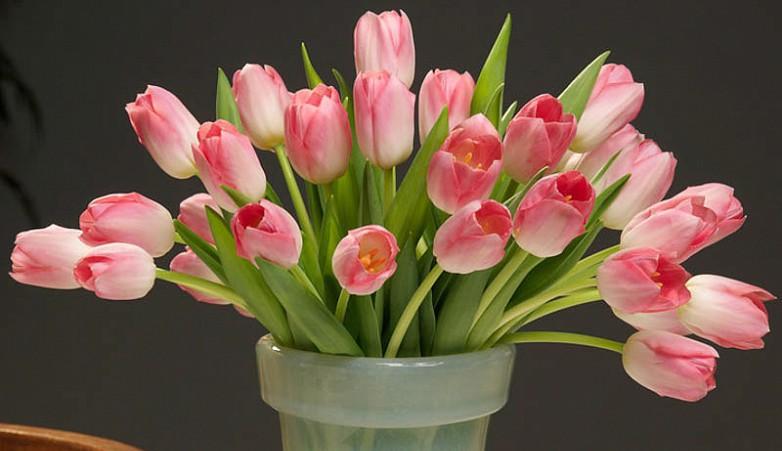




A sanctuary for finding peace and the delicate beauty of the plant world. The April Flower...

Explore the profound meaning and cultural origins of flowers specifically designated for Mothers on special occasions....
A guide on how to transform ordinary silk flowers into soulful works of art that look...