One of the most common mistakes made by rose growers is improper watering, leading to fungal diseases and root rot. Many have a habit of only misting the surface of the leaves or watering in the evening, especially in humid tropical climates, which unintentionally creates an ideal moist environment for fungi such that cause diseases like black spot and powdery mildew to thrive and spread rapidly. To fundamentally solve this issue, the golden rule is to always deep-water the base of the plant to ensure the roots receive sufficient water, and only do so in the early morning. This allows any residual water on the leaves to evaporate completely before nightfall, helping to prevent the growth of mold and protecting the root system.
The second mistake, which is technical but significantly impacts flower productivity, is neglecting pruning or using incorrect basic pruning techniques. If growers retain too many thin shoots (suckers), diseased branches, or allow branches to stretch out weakly without shaping, the plant will waste nutrients unnecessarily on parts that do not produce flowers, inhibiting the formation of new flower buds. Therefore, the essential steps are to apply systematic structural pruning (such as creating a Y or T frame for the climbing canes to cling to) and perform heavy pruning (cutting off about $1/3$ to $1/2$ of the branch length) after each blooming cycle. This action not only rejuvenates the plant but also stimulates healthy shoots to emerge simultaneously, ensuring a larger flower yield and better flower quality in the subsequent cycle.
The next two mistakes relate to the living environment. The third mistake is choosing the wrong growing medium or using pots that do not drain effectively. Soil that is too compact and lacks aeration will suffocate the roots and lead to waterlogging and rot, which is one of the fastest ways to kill a rose. To ensure an ideal root environment, you need to use a loose, nutrient-rich soil mix, which should include amendments like carbonized rice hulls, coco coir, and fully composted cow manure. Furthermore, the bottom of the pot must have large drainage holes and be lined with a layer of material such as gravel or broken pieces of brick to prevent water from accumulating. The fourth mistake is insufficient necessary sunlight. Climbing roses are sun-loving plants that require high light intensity; in low light, the plant will exhibit stretching (etiolation), pale leaves, and produce small, lackluster blooms. The ideal planting location must ensure the plant receives a minimum of 6 hours of direct sunlight per day, with morning sun being the best. Finally, neglecting regular pest and disease control is a major flaw. Pests like aphids, thrips, and spider mites can spread very quickly and cause severe damage to buds and young leaves. You need to inspect the undersides of leaves frequently and apply biological pest control treatments (using natural mixtures like soaked garlic, chili, and ginger) regularly, 1-2 times a month, to control the problems immediately, rather than waiting until they reach an outbreak stage.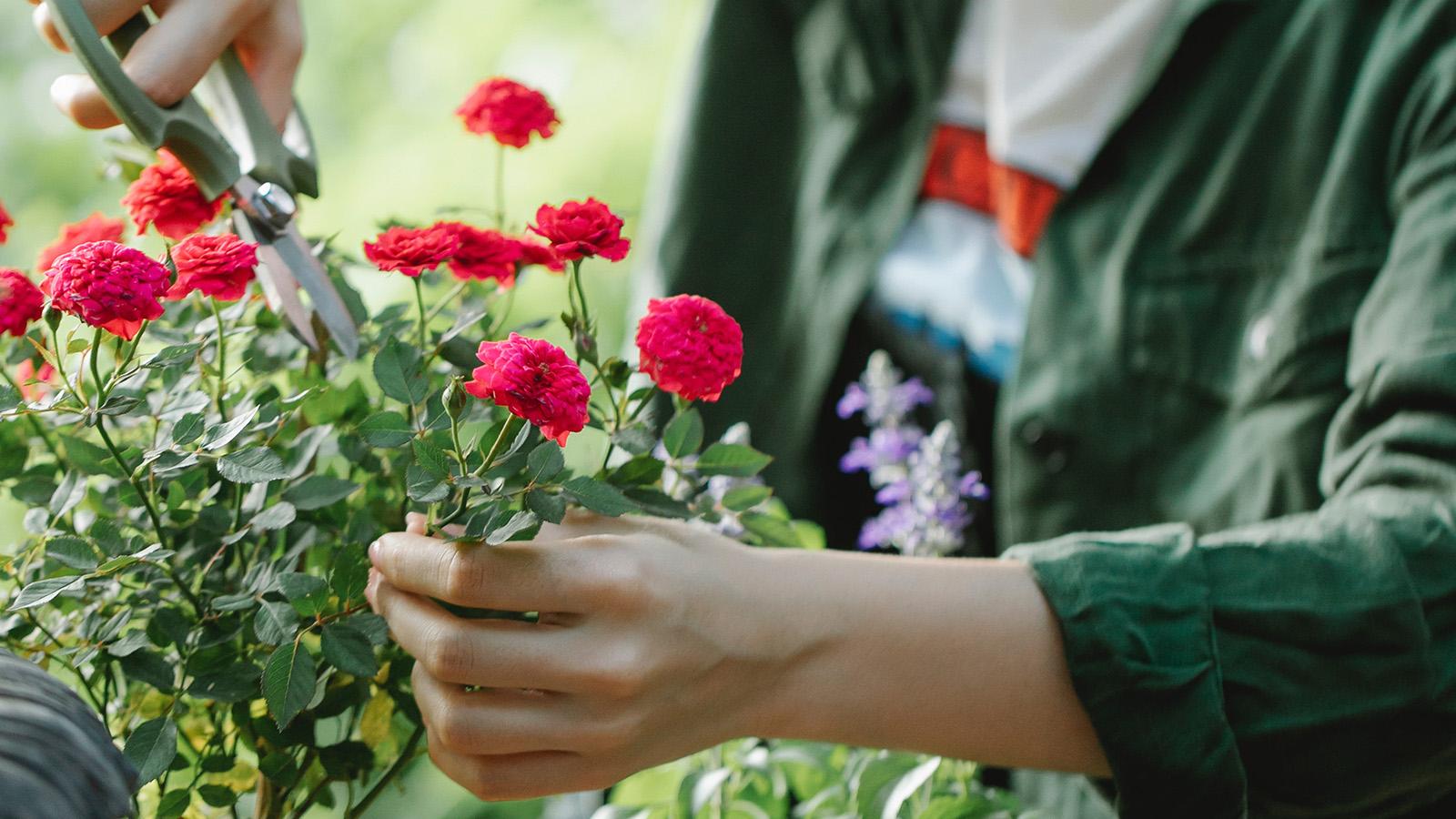



A guide on how to transform ordinary silk flowers into soulful works of art that look...

Discover the best online flower shops in Ho Chi Minh City for high-quality blooms and fast...

A guide to making organic fertilizer at home using easily accessible ingredients like eggshells, coffee grounds,...